


During spring, plants burst into bloom, signaling the start of a new growing season. But these blooms are not just beautiful; they also accomplish one essential task for the plant: reproduction. Flowering is a strategy for survival, as each flower carries the genetic material needed to pass on to future generations.
Unlike animals, plants cannot move around to find a mate. Instead, they rely on wind, water, and even wildlife to help them accomplish the task of pollination. Once pollination is complete and the flowers are fertilized, the process of fruit development begins. This process is an essential part of a plant’s life cycle and can have serious impacts on the success and future of a species.
Beach plum (Prunus maritima)


One of the most compelling examples of how reproduction shapes a plant’s fate is the beach plum, Prunus maritima. Beach plum is native to the eastern United States, from Virginia north to Maine, where it grows along sandy coasts and dunes. In its natural habitat, it faces a harsh coastal environment with salt spray, high winds, and shifting soils. Despite these conditions, this hardy shrub puts on a delicately beautiful display of white flowers each spring.
Beach plum flowers are self-sterile, meaning a single flower cannot pollinate itself. Instead, it needs pollen from another beach plum plant to produce viable fruit. While this system helps promote genetic diversity and resilience in plant populations, it also makes successful pollination more complicated. It depends on several factors: genetically different plants blooming at the same time and enough native bees traveling between them to carry pollen from one plant to another.
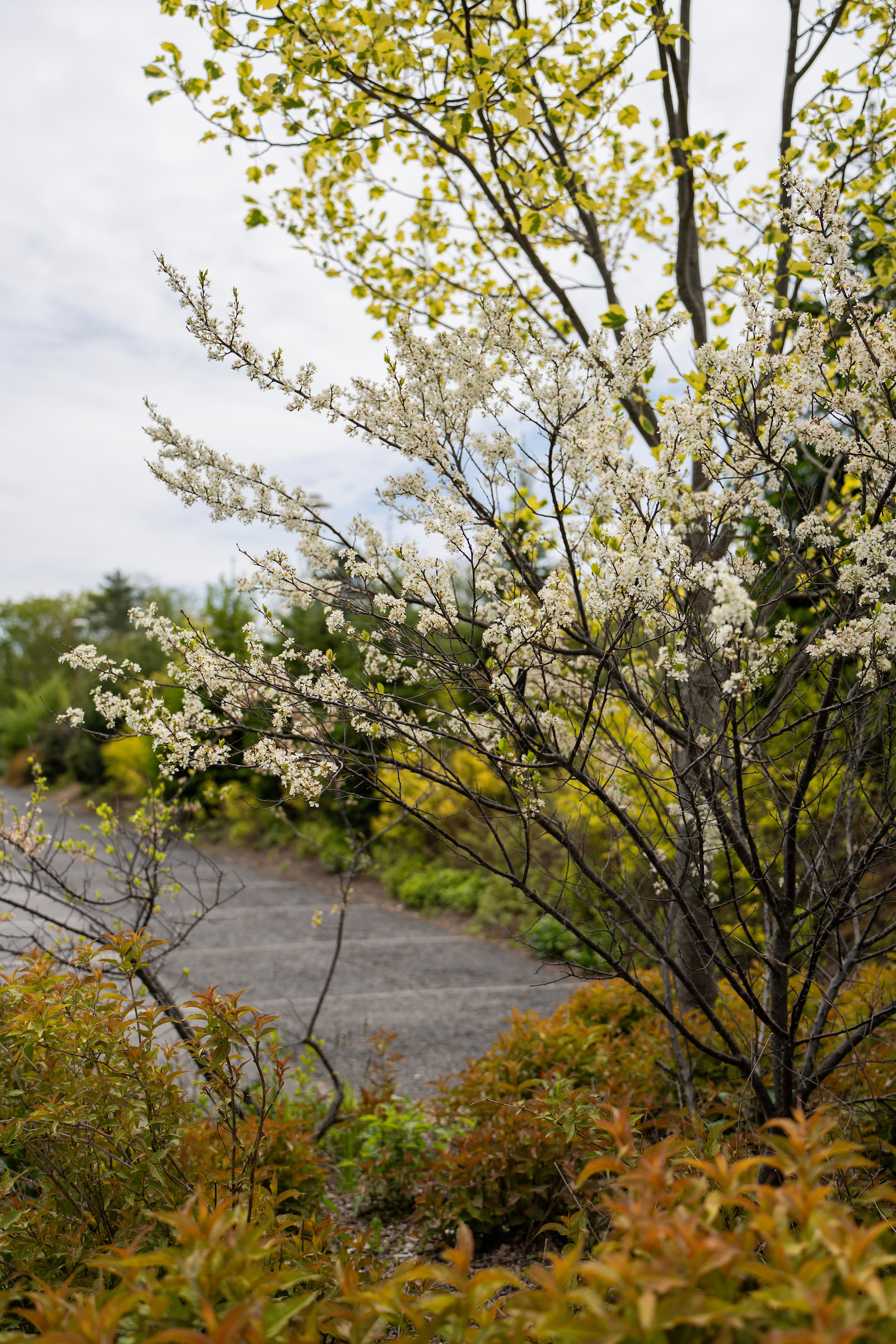
In places like Maine, where beach plum populations are already far and few between, this reproductive requirement can become a conservation concern.
When plants grow in isolated patches, the distance between them may be greater than what their pollinators can travel.
Habitat fragmentation, coastal development, and climate change can reduce plant density, making successful pollination even more challenging.
Dogwood (Cornus spp.)
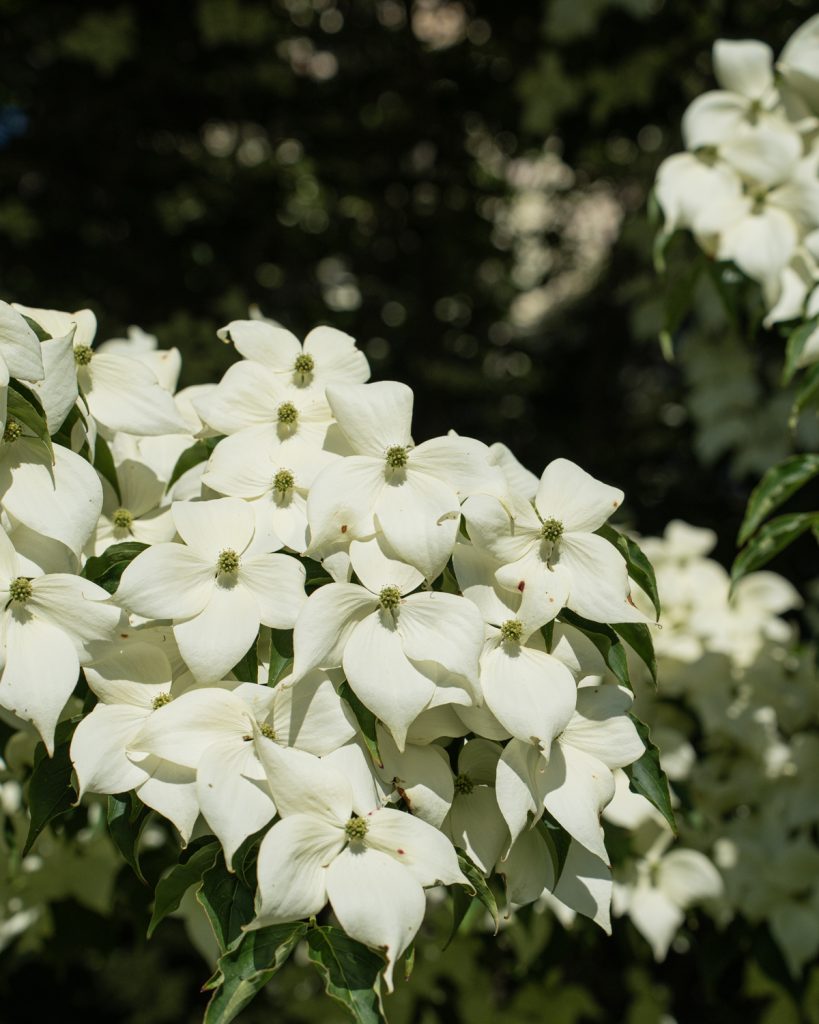
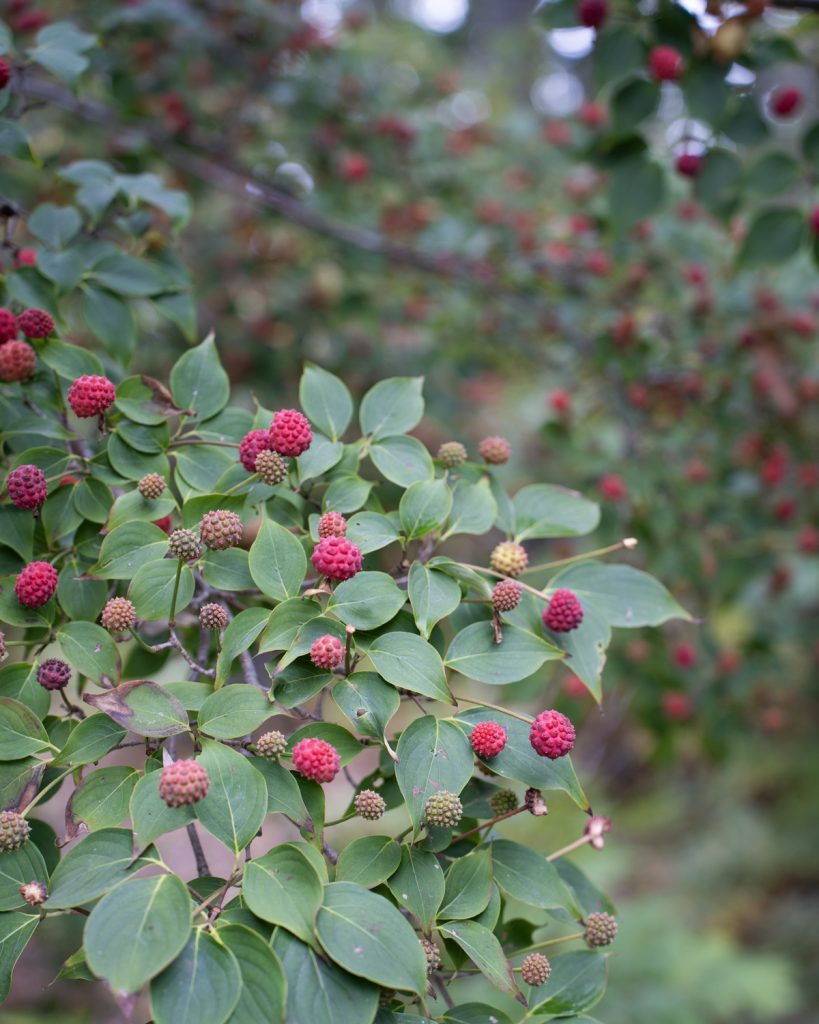
Because flowers rely on pollinators, many plants have evolved creative ways to attract pollinators to their flowers. Several species of dogwoods offer an interesting example of how structure can influence reproductive success.
Consider these three species: flowering dogwood (Cornus florida), kousa dogwood (Cornus kousa), and bunchberry (Cornus canadensis). What many people admire each spring as their “petals” are not petals at all —they’re bracts.
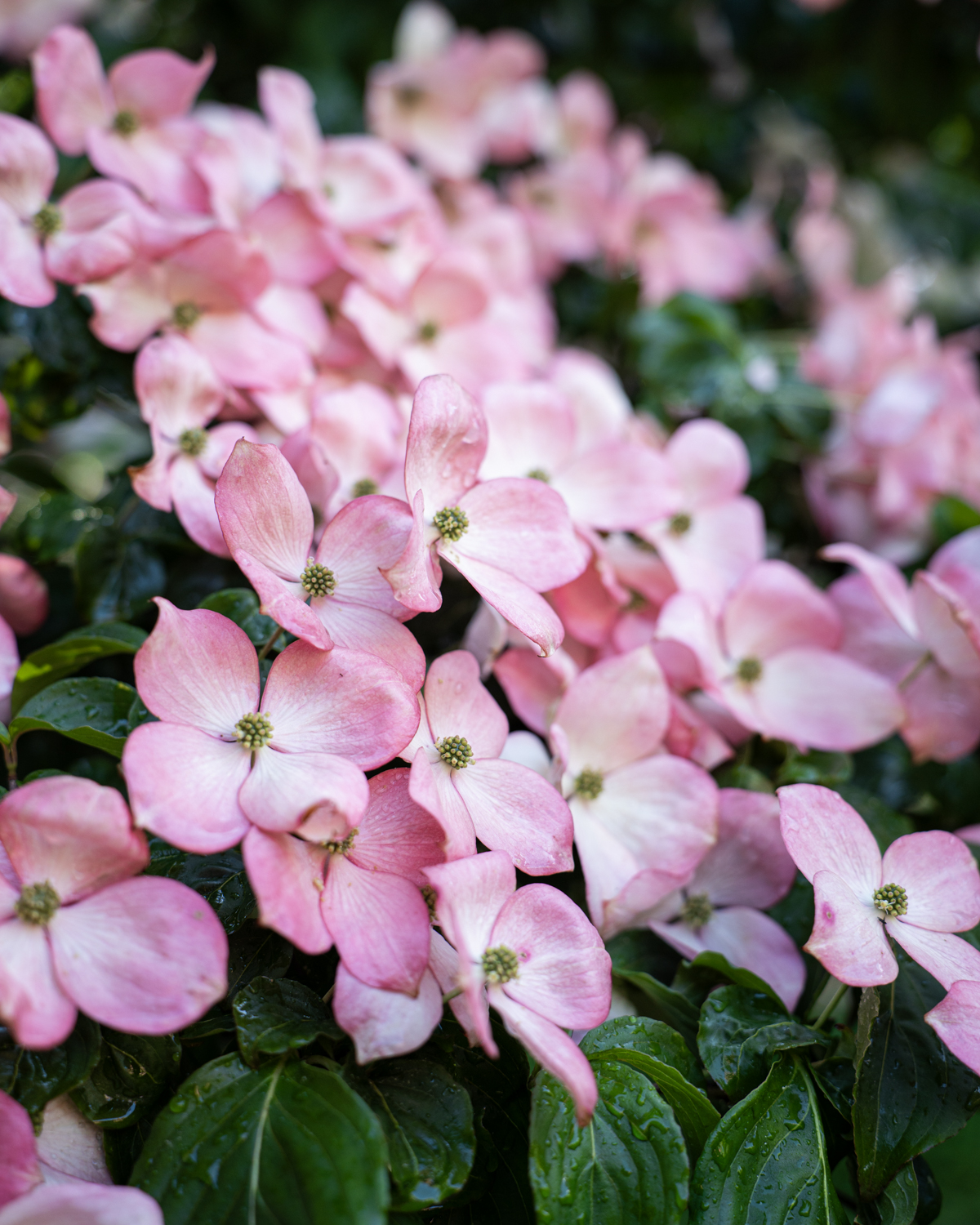
Bracts are modified leaves that mimic large, showy flower petals. They surround the plant’s true flowers, which are much smaller and less noticeable on their own. By framing the tiny flowers with showy bracts, the plant makes them far more visible to pollinators—almost like creating a natural landing pad.
The structure of the true flowers also shapes the pollination process. Because the flowers grow in clustered arrangements, it encourages insects to move across multiple small flowers in one visit, increasing the chances of pollination.
Magnolias (Magnolia spp.)
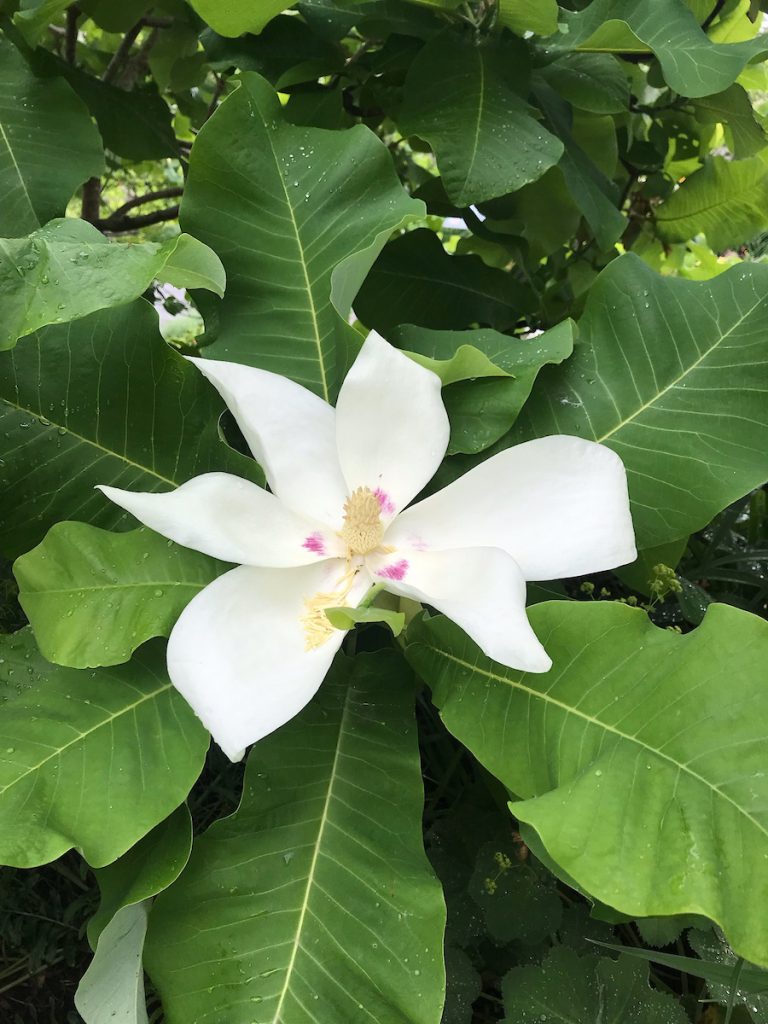
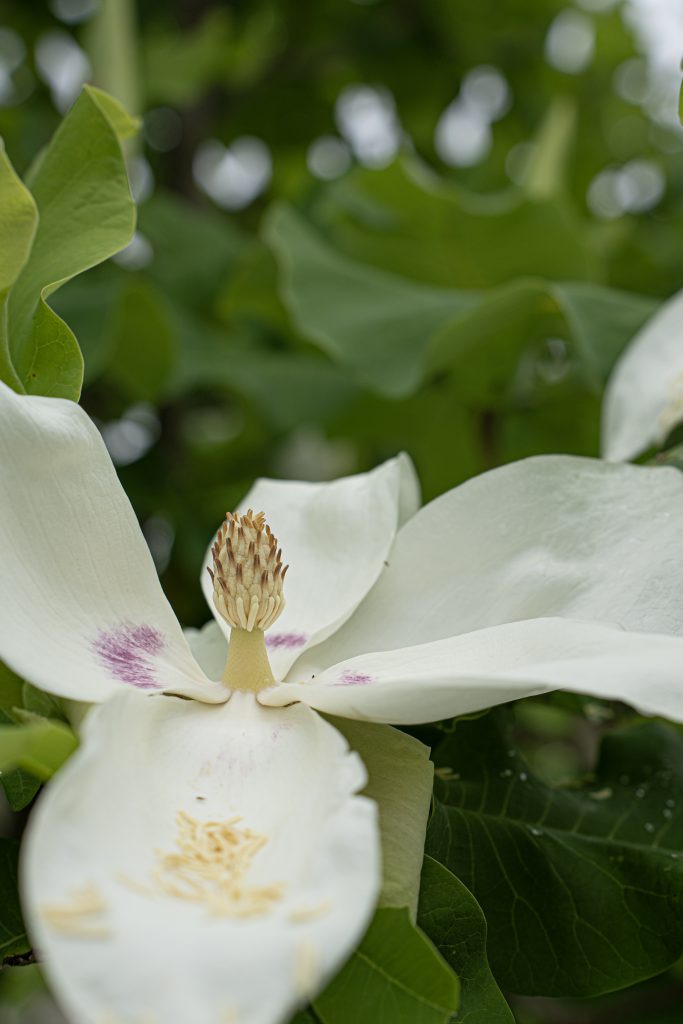
Some of our most beloved and charismatic pollinators are insects like bees and butterflies— but how did flowering plants successfully reproduce before these insects evolved? Magnolias offer a glimpse into this earlier chapter of plant history.
Magnolias are among the most ancient groups of flowering plants, with fossil records dating back 100 million years ago. When early species of magnolia evolved, they had to rely on the insects that were already present at the time: beetles.
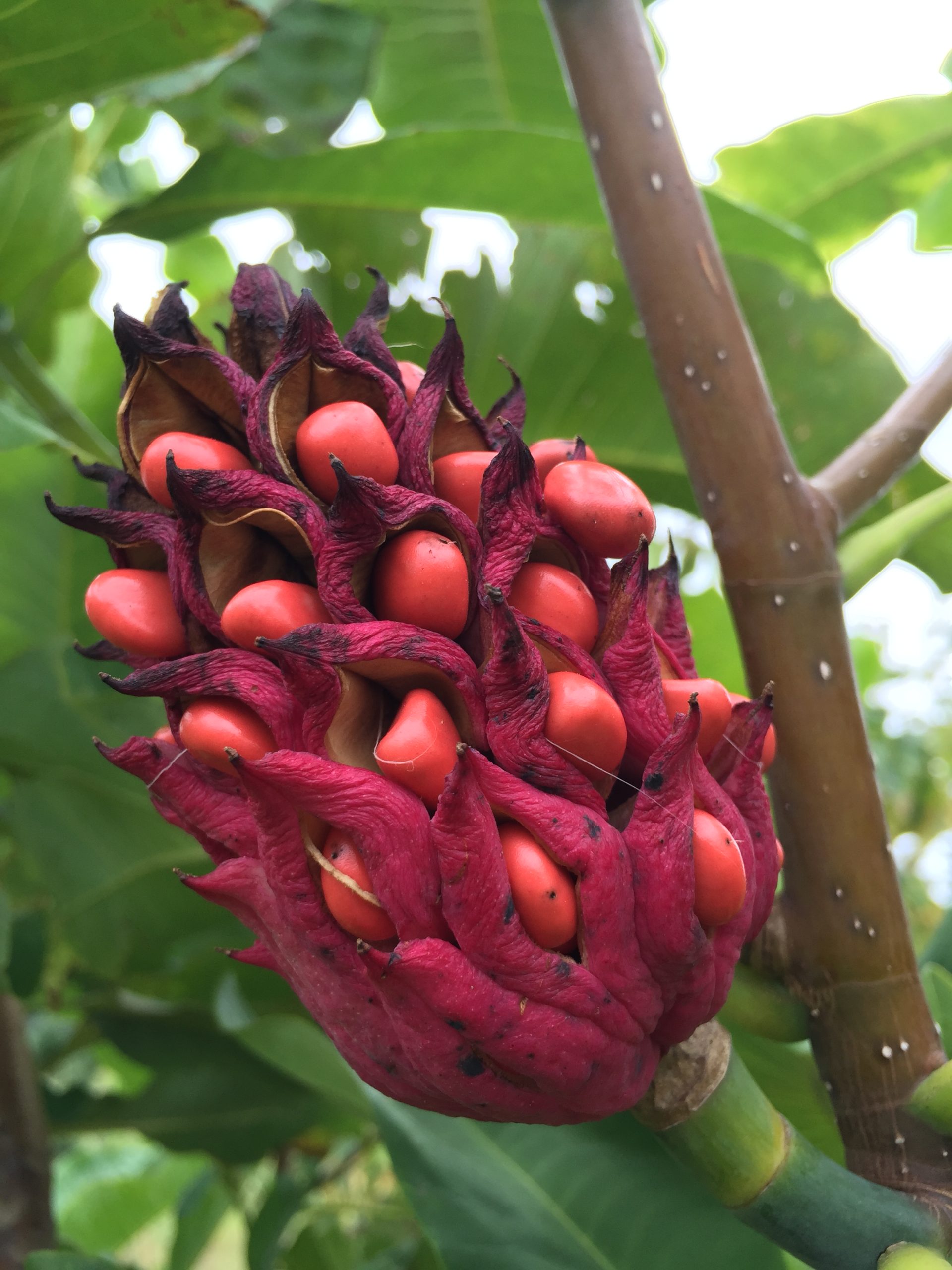
Magnolia flowers are well-suited for pollination via beetles. Beetles are attracted to the abundant protein-rich pollen in each flower. This encourages beetles to travel from flower to flower, ensuring cross-pollination.
The carpels—the female, seed-bearing structures—on Magnolia flowers are firm and durable, making it challenging for beetles to damage these essential reproductive elements.
These examples remind us that the story of plant reproduction is also a story of relationships. Each plant species has developed a unique reproductive strategy completely shaped by its environment, timing, structure, and— most importantly— its pollinators. Whether relying on traveling bees, deceptive bracts, or pollen-hungry beetles, each plant reveals a different strategy for survival.


