
“It’s been sort of a thread that’s just woven throughout my life…this interest in plants and the environment,” Ginger Rickeman said.




Open Daily 9-5
Menu
Members, don’t forget to log in to activate your discount.
Members, don’t forget to log in to activate your discount.
“It’s been sort of a thread that’s just woven throughout my life…this interest in plants and the environment,” Ginger Rickeman said.
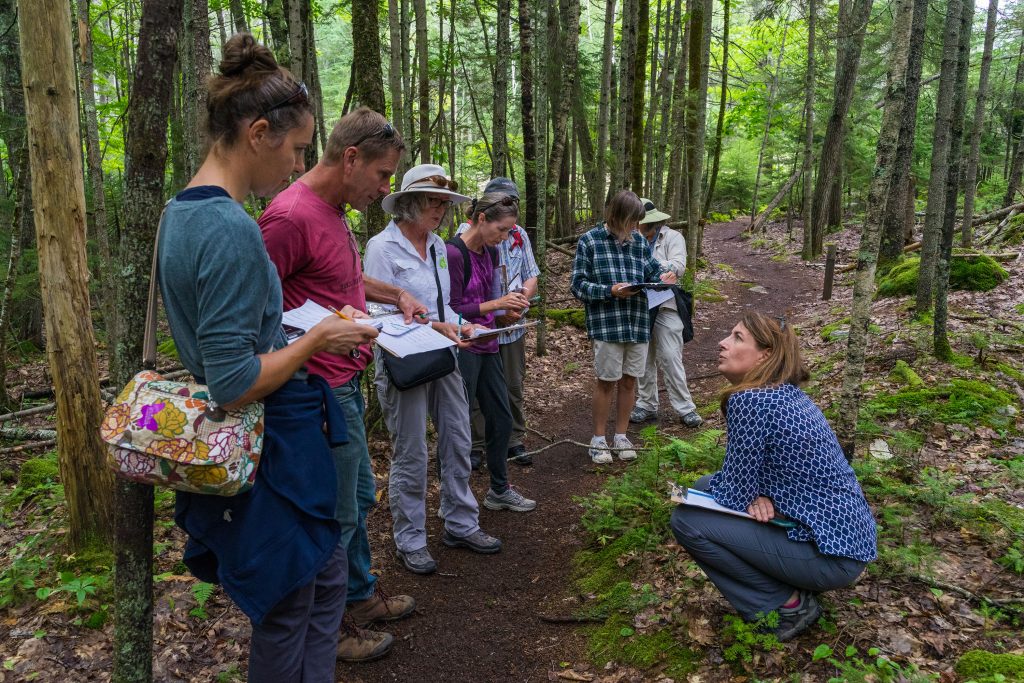
That thread now runs through the trails at the Gardens, where Ginger has volunteered and led tours for over a decade. From Haney Hillside down to the Shoreland Trail, into the Maine Woods Trail, and up to the top of Birch Allée, Ginger points out native plants, emphasizing their natural beauty and value throughout the Gardens’ cultivated and natural landscapes.
Within recent years, a focus on native plants has become more apparent with everyday gardeners—a matter we consider at the Gardens in every decision. “I think it goes hand in hand with concern about global warming,” Ginger said. Some people have begun to notice fewer insects and birds around them, she said, leading them to ask ‘How can we help?’”
Although this issue is real and currently affecting Maine’s native species, too few people and communities worldwide have the interest and acknowledgment of the importance of habitat and native species, she said.

Ginger, originally from Massachusetts, grew up summering in Boothbay Harbor, just down the road from what’s now the Gardens. Before we formally opened in 2007, she and her family used to walk the few trails, watching the beginnings of the Giles Rhododendron and Perennial Garden, the gazebo, and Fairyhouse Village grow.
She grew up enamored by plants, adopting her mother’s and great aunt’s passion for gardening. “It wasn’t even a matter of learning. It was just absorbing their interest and what they were passionate about.”
When it comes to being passionate about native plants, Ginger has no explanation for it. “That’s like asking somebody why they like chocolate. We just do. It’s just good!”
Continuing her lifelong interest in plants, Ginger earned an undergraduate degree in botany and later, a master’s degree in horticulture. Her academic knowledge has helped shape how she educates guests throughout the Gardens today.
Botanical gardens are often known for having diverse collections, with species from all over the world. Ginger said she doesn’t discourage people from planting non-native plants because they add to the interest, diversity, and beauty that we have here.

Although native species are not always top of mind for many people, small adjustments can be made in everyone’s gardens to include or encourage them. Using plants in window boxes that appeal to native caterpillars is one way to do this, Ginger said. “It’s reassuring people that holes in the leaves of their plants are good. They’re not destroying the beauty of their garden; they’re expanding the beauty of their garden.”
There are plenty of ways for anyone to expand their knowledge and understanding of native plants, from connecting with organizations to reading books. For New Englanders, the Wild Seed Project, based in Portland, Maine, is an excellent resource. For books, Ginger recommends any by ecologist, entomologist, and conservationist Doug Tallamy, whose work has inspired many to see native plants in a new light. Those who want hands-on learning, come to the Gardens and go on a Native Plant Hike, participate in one of our many native plant classes, or gain the Certificate in Native Plants and Ecological Horticulture.
Ginger also highlights the important role indigenous communities have played—and continue to play—in preserving and caring for native species across all regions. There is much to learn from these communities about how we can live in closer relationship with the land.
Ginger reminds us of the importance of native plants and all native species in our ecosystems. Curious about how to support and protect the environment? Consider taking Ginger’s advice by exploring how to sustain the wildlife around you.
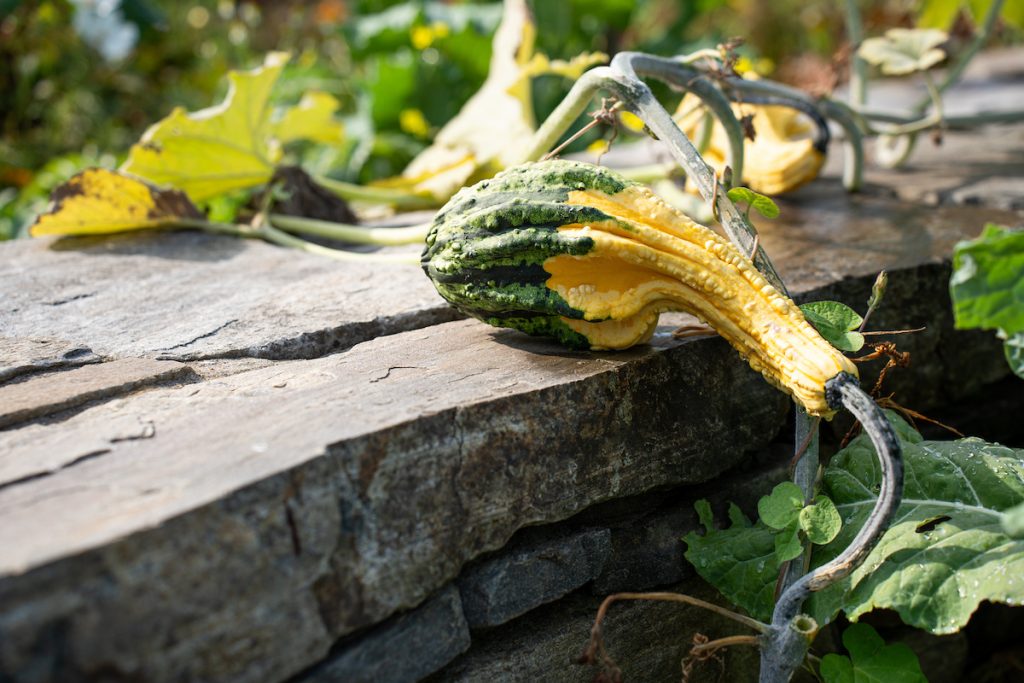
When we think about garden design, we often focus on what looks best to us—vibrant flowers in desired color combinations,…
Coastal Maine Botanical Gardens and Maine Natural Areas Program, with funding support from the Maine Outdoor Heritage Fund, are partnering to…
The mission of Coastal Maine Botanical Gardens is to inspire meaningful connections between people and nature and promote plant conservation through horticulture, education, and plant science.
Copyright 2026 Coastal Maine Botanical Gardens