

Supporting Student-Led Climate Research in Maine
Award-winning research is helping us better understand how climate change is impacting tree seedling survival—and what that means for the future of forests.
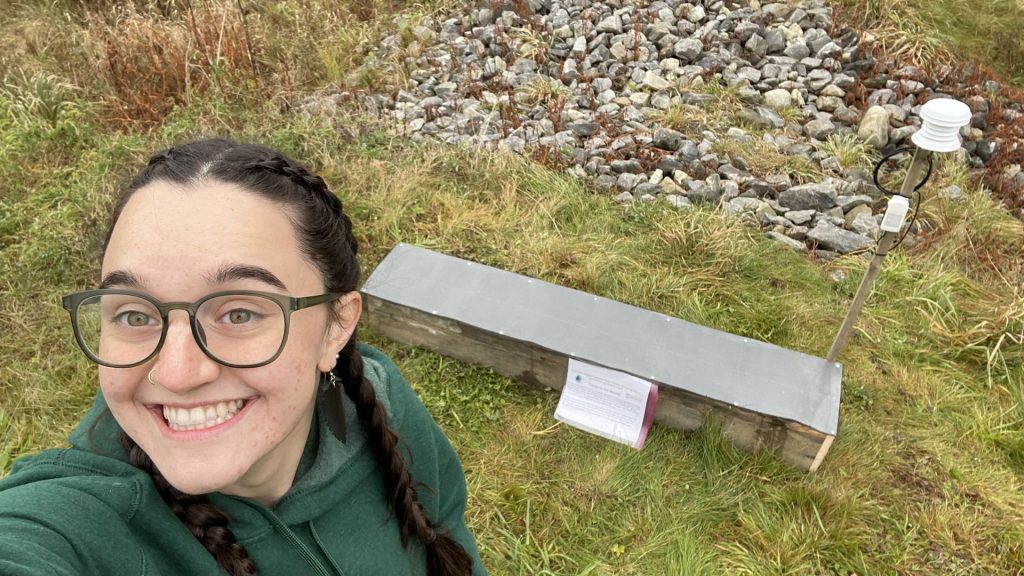
We’re proud to share that Emily MacDonald, a University of Maine graduate student we’ve been working with over the past few years, has published a paper in Frontiers in Forests and Global Change. Her research explores how rising temperatures and drought impact tree seedling survival.
Research at Coastal Maine Botanical Gardens
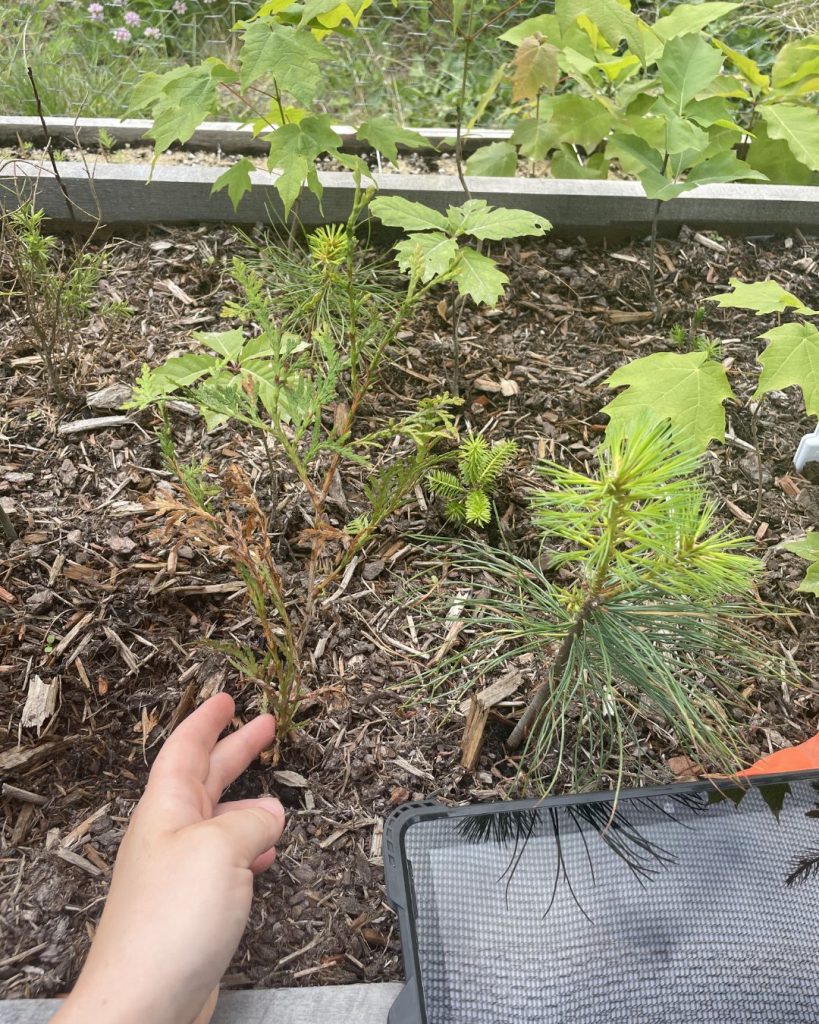
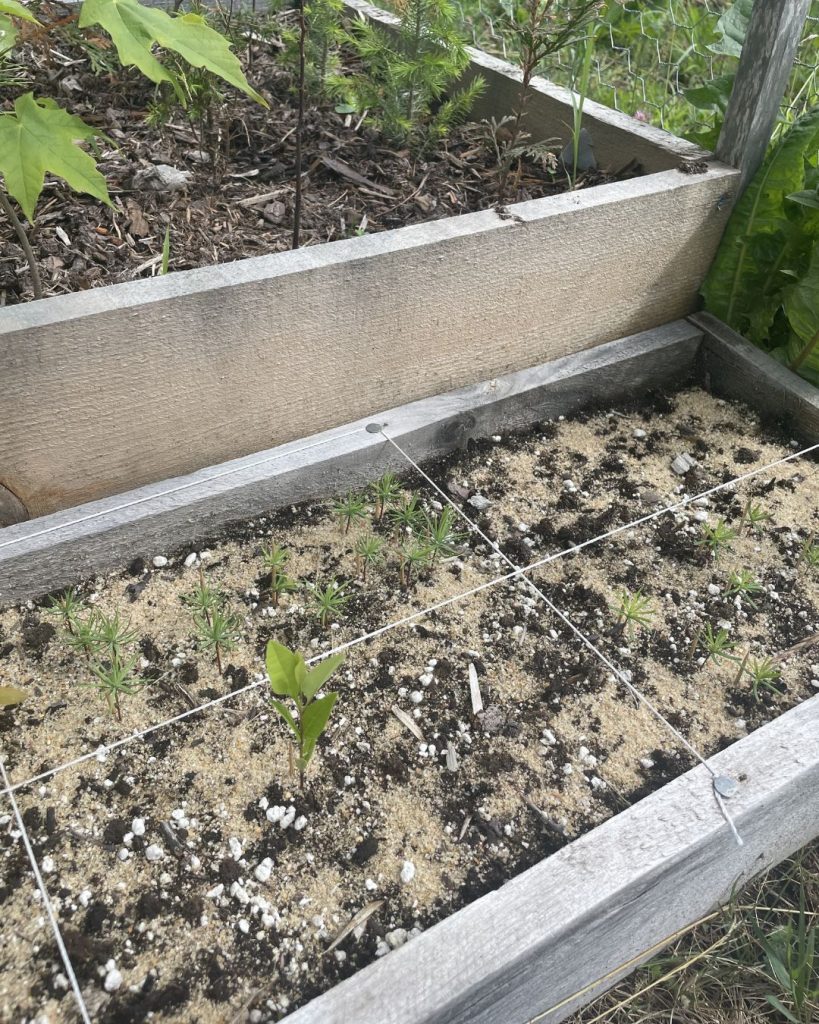
Some of Emily’s experimental research work took place on site here in Boothbay, and Melissa Cullina, VP of Plants and Science, served on Emily’s graduate committee. The work dovetailed wonderfully with the Gardens’ mission and conservation research niche, which focuses on climate impacts to plants, and Melissa’s participation supported a broader initiative to encourage more student-led research, like Emily’s, at the Gardens.
Emily’s paper, titled “Combined heat and drought events reduce first-year survival of tree seedlings, especially at southern range margins,” examines how increasingly common climate stressors impact young trees at a critical stage of development.
Her research explores how extreme heat and drought — particularly when they occur together — can significantly reduce the survival of first-year seedlings, with important implications for forest resilience and long-term ecosystem health.
As climate patterns continue to shift, understanding how forests respond to combined stressors is essential for adaptive management and future planning. Emily’s work contributes to a growing body of research that helps scientists, land managers, and policymakers better anticipate how forest ecosystems may change in the decades ahead.
Emily’s research was recognized earlier this year when she was named a finalist in the University of Maine College of Earth, Life and Health Sciences Graduate Student Research Awards in February. In breaking news, she just won the award!
We are grateful for the opportunity to work with emerging researchers like Emily, and this kind of collaboration continues to strengthen our growing partnerships with faculty, staff, and students at the University of Maine.
You can read the full published paper in Frontiers in Forests and Global Change here: